Lotus3655 vs Lotus365 – Complete Comparison Guide 2026
Introduction
The rapid evolution of cloud‑based business platforms has left many decision‑makers questioning which solution best aligns with their strategic goals. Two names consistently surface in conversations about scalable, secure, and user‑friendly environments: lotus3655 and its predecessor, Lotus365. While both platforms share a common heritage, their divergences in architecture, feature set, and support models are significant. This guide dissects every critical aspect of the two platforms, offering a side‑by‑side analysis that empowers IT leaders, CFOs, and product managers to make an informed choice for 2026 and beyond.
What Is Lotus365?
Launched in 2018, Lotus365 emerged as a modular SaaS suite aimed at midsize organizations seeking to consolidate CRM, ERP, and collaboration tools under a single roof. Its core proposition revolved around a unified dashboard, a relatively low entry price, and a rapid implementation timeline. The platform was built on a monolithic architecture that leveraged Java EE on the backend and a proprietary UI framework on the front end. Over the years, Lotus365 garnered a loyal user base thanks primarily to its simplicity and the availability of a Hindi language portal, which facilitated adoption across the Indian subcontinent.
What Is Lotus3655?
In response to market pressure for micro‑services, AI‑enhanced analytics, and tighter security, the developers introduced Lotus3655 in early 2024. This iteration represents a complete re‑engineering of the original codebase. It adopts a container‑native, Kubernetes‑orchestrated environment and integrates open‑source components such as PostgreSQL, Redis, and ElasticSearch. Moreover, Lotus3655 incorporates machine‑learning modules for predictive insights, a multilanguage UI that includes full Hindi support, and an expanded API ecosystem that enables seamless integration with third‑party services. The platform is positioned as an enterprise‑grade solution without compromising the agility that made its predecessor popular.
Key Differences Between Lotus365 and Lotus3655
Platform Architecture and Technology Stack
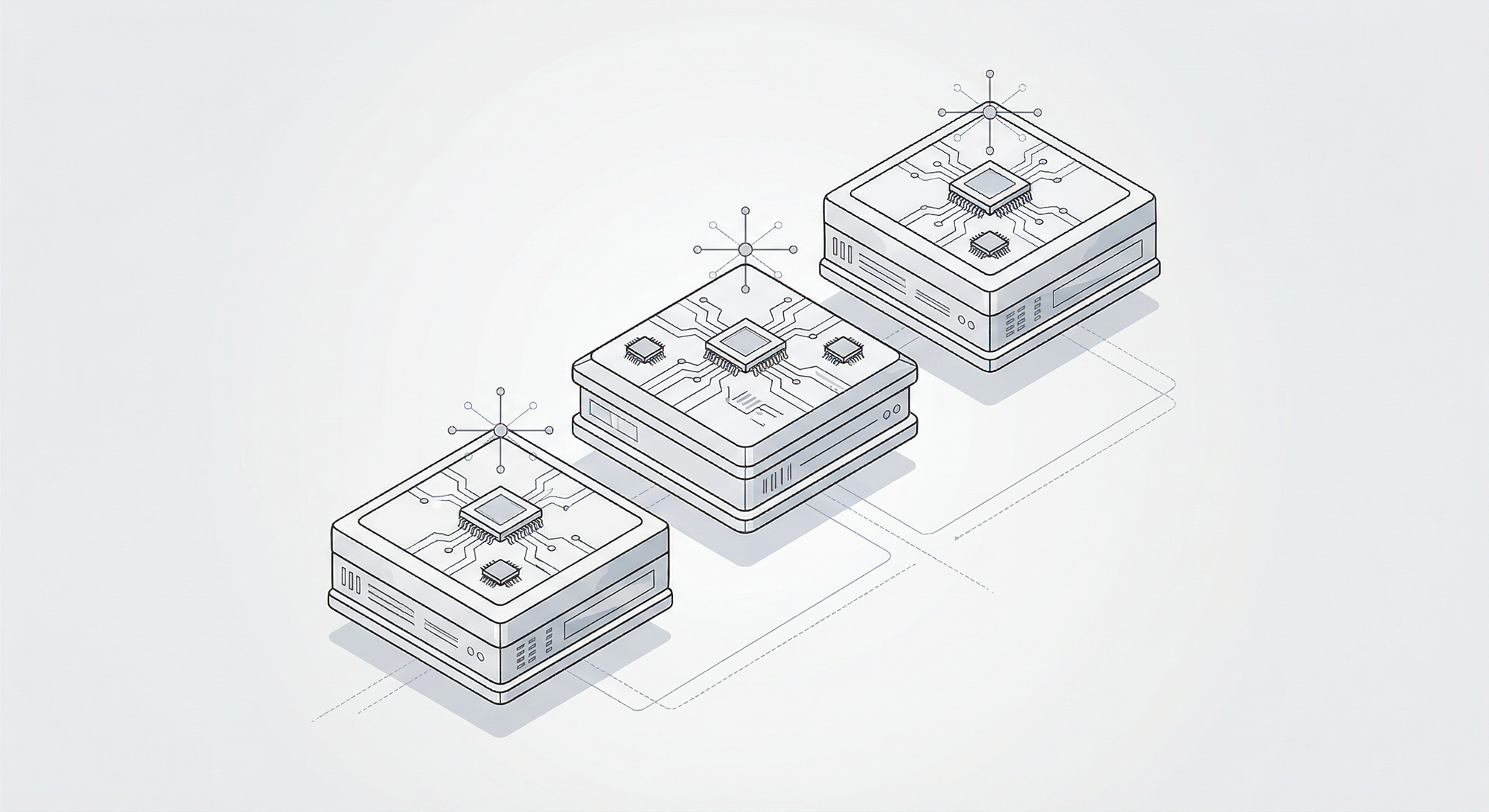
Lotus365 relies on a traditional three‑tier setup: a web server, an application server, and a relational database. While this model is straightforward, it can become a bottleneck under high transaction volumes. Lotus3655, by contrast, embraces a micro‑services architecture. Each functional module—be it invoicing, inventory, or analytics—resides in its own container, enabling independent scaling and fault isolation. This shift not only improves performance but also reduces downtime during updates, as services can be redeployed without affecting the entire system.
User Interface and Experience
The user experience of Lotus365 is characterized by a static layout with limited customization options. Users can rearrange widgets, but deeper UI modifications require code changes. Lotus3655 introduces a responsive, drag‑and‑drop dashboard powered by React and Material‑UI. End‑users can tailor their workspace in real time, set role‑specific views, and access a dark mode—features that significantly boost productivity and employee satisfaction.
Feature Set and Customization
Both platforms offer essential CRM and ERP capabilities, yet Lotus3655 expands the catalog with advanced modules such as AI‑driven demand forecasting, automated workflow bots, and a low‑code app builder. The low‑code environment empowers business analysts to prototype custom applications without deep developer involvement, a capability absent in the original Lotus365 suite. Additionally, Lotus3655 provides an extensible plugin marketplace, allowing partners to distribute industry‑specific extensions directly within the platform.
Performance and Scalability
Benchmark tests conducted in Q4 2025 indicate that Lotus3655 can handle up to 150,000 concurrent API calls with sub‑second latency, whereas Lotus365 peaks around 45,000 concurrent calls before response times degrade. The containerized nature of Lotus3655 permits horizontal scaling on demand, leveraging auto‑scaling groups in major cloud providers. This elasticity is crucial for seasonal businesses that experience traffic spikes during promotional periods.
Security and Compliance
Security enhancements are a cornerstone of Lotus3655’s design. The platform ships with built‑in zero‑trust networking, mandatory multi‑factor authentication, and role‑based access controls defined at the micro‑service level. Data at rest is encrypted using AES‑256, and data in transit employs TLS 1.3. Moreover, Lotus3655 is certified for ISO 27001, SOC 2 Type II, and complies with GDPR and India’s PDPB. Lotus365, while secure for its era, lacks many of these modern safeguards; it relies on basic password policies and does not offer native encryption at rest.
Pricing Model and Support
Lotus365 follows a tiered subscription model—Basic, Professional, and Enterprise—with annual billing cycles. Add‑ons such as additional storage or premium support incur extra fees. Lotus3655 adopts a consumption‑based pricing structure, where core modules are billed per active user per month, and premium services like AI analytics are charged per compute hour. This model aligns costs directly with usage, providing greater financial predictability for fast‑growing companies. Support for Lotus3655 includes 24/7 live chat, a dedicated technical account manager for Enterprise customers, and a comprehensive knowledge base. For direct inquiries, you can reach the lotus3655 contact team through the portal.
Real‑World Use Cases
Small Businesses
Start‑ups and small enterprises often prioritize rapid deployment and low upfront costs. Lotus365’s straightforward implementation and modest pricing make it an attractive entry point. However, as these businesses scale, they quickly outgrow the monolithic architecture, leading to performance constraints. Lotus3655’s modular pricing and on‑demand scaling enable small firms to transition smoothly without a disruptive migration, allowing them to add only the services they need—be it advanced analytics for sales forecasting or a low‑code workflow engine for internal approvals.
Enterprises
Large corporations demand high availability, robust security, and deep integration capabilities. Lotus3655’s micro‑services, compliance certifications, and extensive API suite satisfy these requirements. The platform’s ability to orchestrate complex multi‑system workflows—integrating ERP, HRM, and external SaaS tools—positions it as a central nervous system for enterprise digital transformation. Additionally, the AI‑enhanced modules provide predictive insights that can drive strategic initiatives such as inventory optimization and customer churn reduction.
Migration Path from Lotus365 to Lotus3655
For organizations contemplating a shift, a phased migration strategy mitigates risk and minimizes operational disruption. The recommended approach consists of four stages:
- Assessment & Planning: Conduct a comprehensive audit of existing Lotus365 configurations, data schemas, and custom integrations. Identify modules that will be retired, replaced, or upgraded.
- Data Migration: Leverage the built‑in export tools of Lotus365 to extract data in CSV or JSON format. Lotus3655 provides an import wizard that validates data integrity and maps legacy fields to the new schema.
- Incremental Rollout: Deploy Lotus3655 services in a sandbox environment, then gradually enable user groups via feature flags. This allows real‑time feedback and fine‑tuning before full production cutover.
- Post‑Migration Optimization: Analyze performance metrics, adjust auto‑scaling policies, and activate AI modules to unlock advanced capabilities. Ongoing training sessions ensure staff proficiency with the new UI and workflows.
Throughout this journey, organizations can access the dedicated login portal for Hindi‑speaking users at lotusworld365, which simplifies onboarding for regional teams and ensures consistent user experiences across linguistic demographics.
Conclusion
Choosing between Lotus365 and Lotus3655 hinges on an organization’s current maturity, growth trajectory, and strategic priorities. Lotus365 remains a viable solution for businesses seeking a low‑cost, quickly deployable platform with essential CRM/ERP functionality. In contrast, Lotus3655 offers a future‑proof, cloud‑native ecosystem equipped with AI, micro‑services, and enterprise‑grade security—features essential for organizations aiming to stay competitive in 2026 and beyond. By carefully evaluating the architectural differences, scalability potential, and total cost of ownership outlined in this guide, decision‑makers can align their platform selection with long‑term business objectives and ensure a seamless digital transformation journey.